
Sonam Wangchuk vows to continue hunger strike as CJP reclaims Jantar Mantar stage
.gif)

Download Mobile App 







Delhi’s air quality plunged sharply after Diwali, triggering a 30% rise in respiratory illnesses and a spike in pregnancy-related complications across hospitals in the NCR region. Doctors say the combination of air and noise pollution, caused by extensive firecracker use during late-night hours, has severely impacted vulnerable groups including children, the elderly, and pregnant women.
Pulmonologists reported a sharp jump in patients suffering from asthma flare-ups, allergic bronchitis, and breathlessness between October 20 and 23. “The post-Diwali smog is particularly dangerous because it comes with a sudden, dense concentration of pollutants,” said Dr Pulkit Agarwal, Consultant Pulmonologist at SilverStreak Superspeciality Hospital. PM2.5 levels soared to 675 — the highest in four years — while Delhi’s Air Quality Index stayed in the “very poor” range.
Gynaecologists have raised alarm over the hidden risks of air pollution on maternal and foetal health. Experts warned that fine particulate matter can cross the placental barrier, affecting foetal growth and brain development. “We’ve seen an increase in expectant mothers with shortness of breath, dizziness, and elevated blood pressure following Diwali festivities,” said Dr Astha Dayal, Director of Obstetrics and Gynaecology at CK Birla Hospital.
Doctors have urged citizens to stay indoors during high pollution hours, use N95 masks, and adopt cleaner celebrations. With pollution levels touching “severe” in several parts of Delhi-NCR, experts stress the need for preventive care, eco-friendly festivities, and stricter air quality management to prevent this annual health crisis.




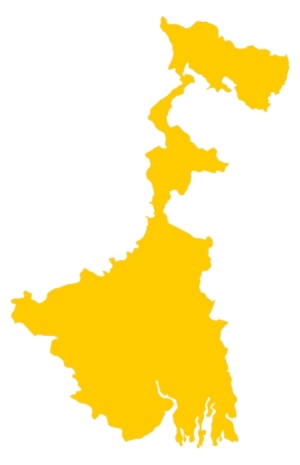 West Bengal
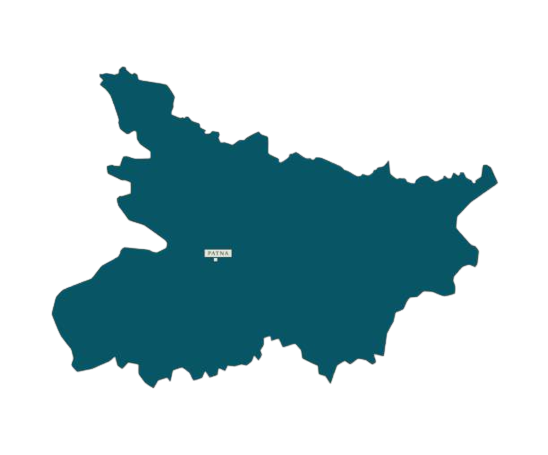 Bihar
Bihar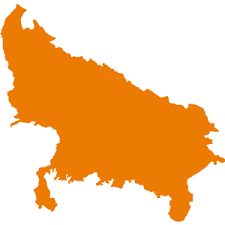 Uttar Pradesh
 Jharkhand